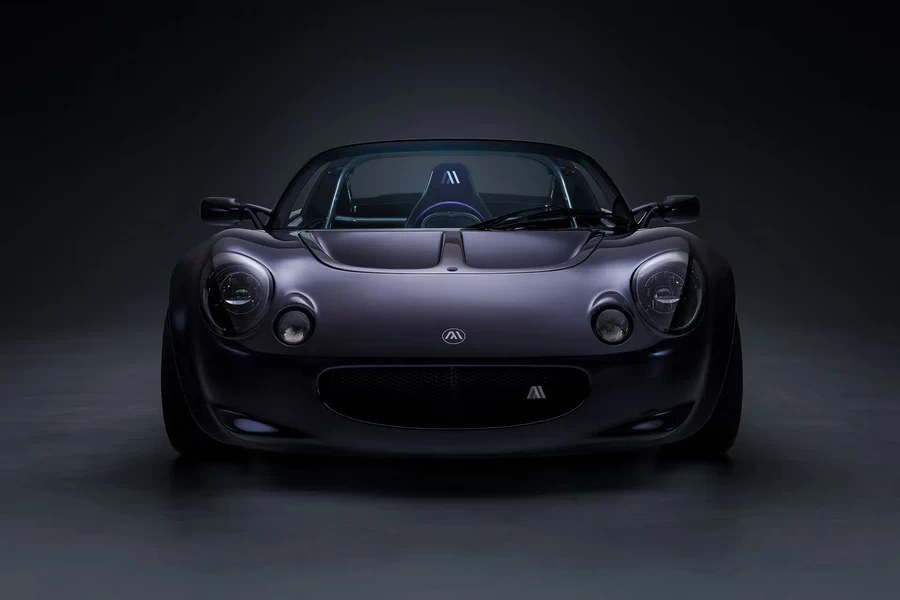
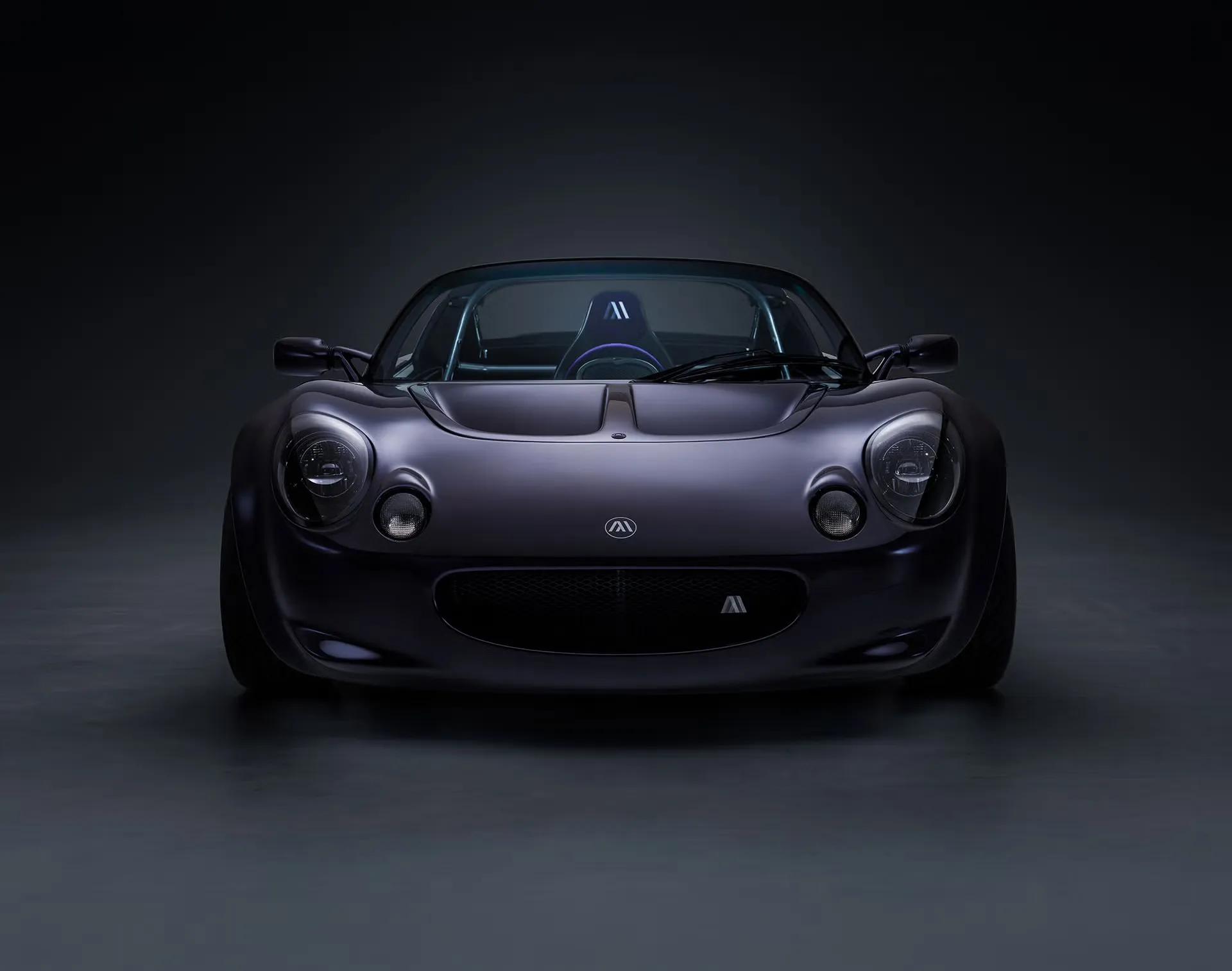
It takes a very special sort of brain to look at a S1 Lotus Elise and think, “Way too heavy. What are we doing here, building Lincoln Town Cars?” However, that sort of mindset was espoused by Lotus brand founder Colin Chapman, and you’d have to expect ol’ Colin wouldn’t be too upset about the latest reimagining of one of the best cars to wear his initials on its badge.
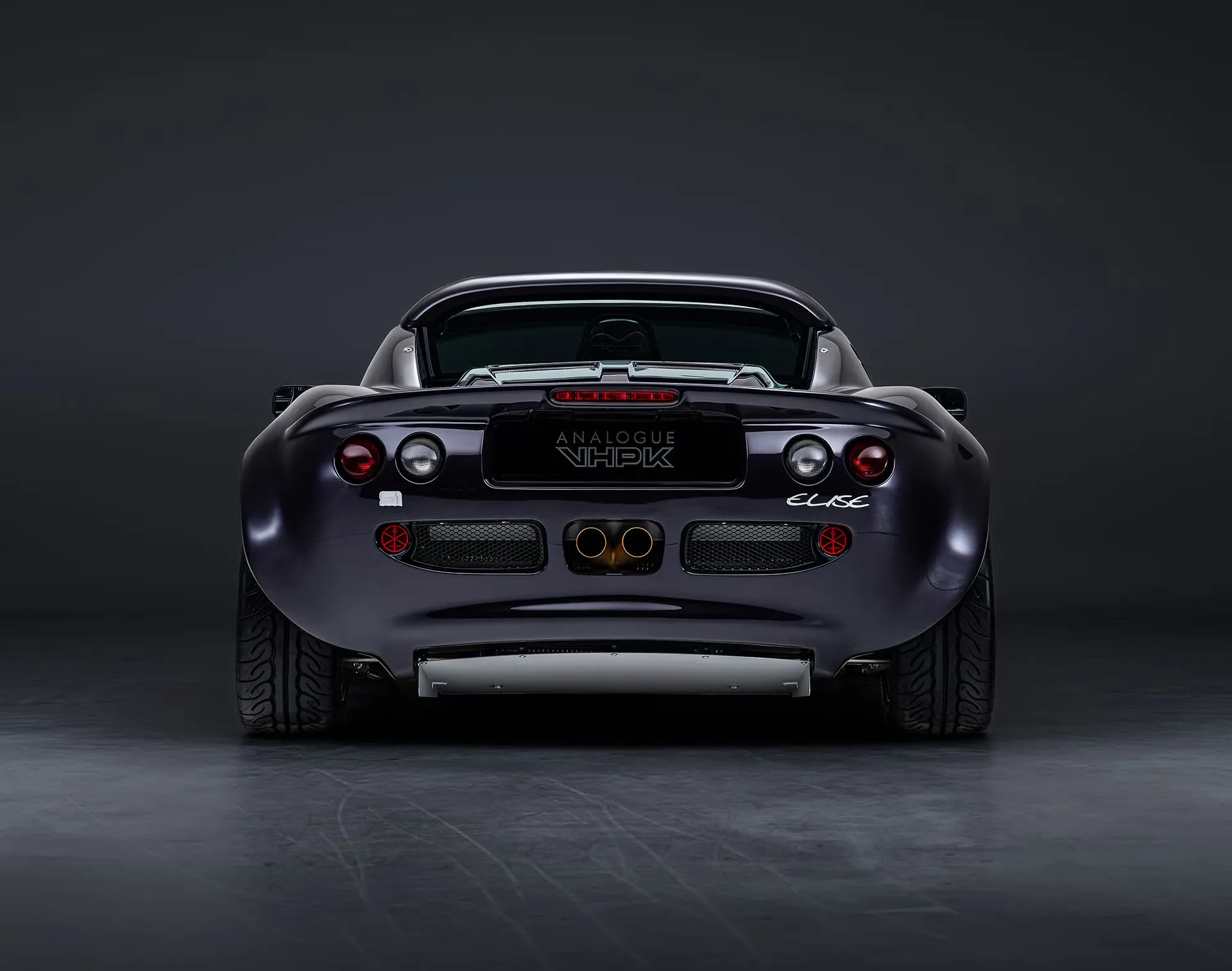
This is the Analogue Automotive VHPK, and the cost per gram here is on a level with precious jewels. Tipping the scales at just 1320 pounds, it carries a hefty price tag of some $470,000. That’s over a thousand pounds lighter than a soft-top Mazda MX-5, for the price of a well-optioned Ferrari 296GTB.
For that kind of money, the VHPK needs to offer a singular driving experience, and it does. Literally, there’s only one seat mounted in the middle.
Ditching the passenger’s seat helps cut down on weight, and further savings are realized through the use of carbon fiber. Composites aren’t cheap, and this is what drives the price of the VHPK up, and it is also extremely exclusive. Only 35 of them will be built to order, and this first one is very purple. Possibly spec’d by a gumdrop-shaped McDonald’s spokesperson? Who can say.
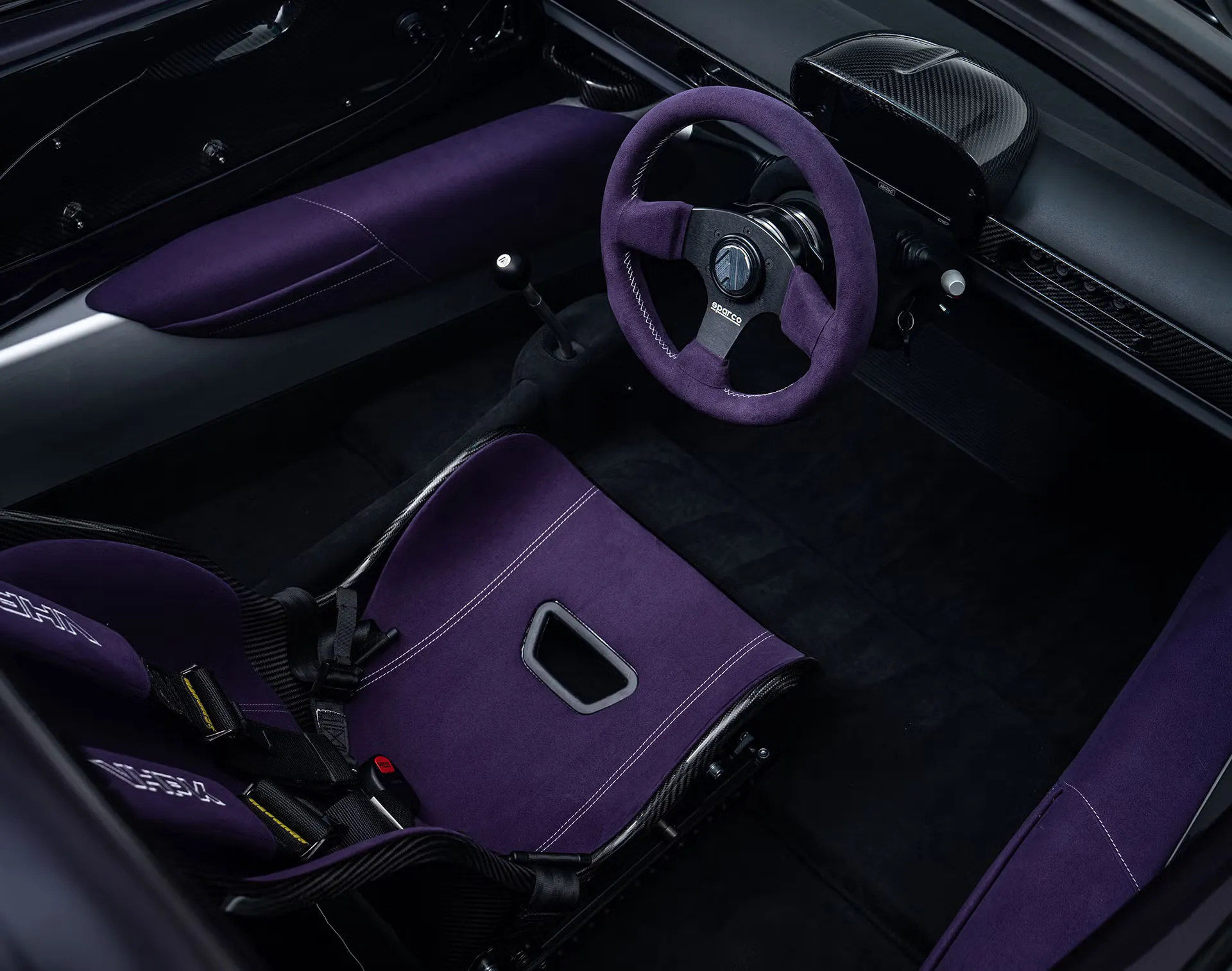
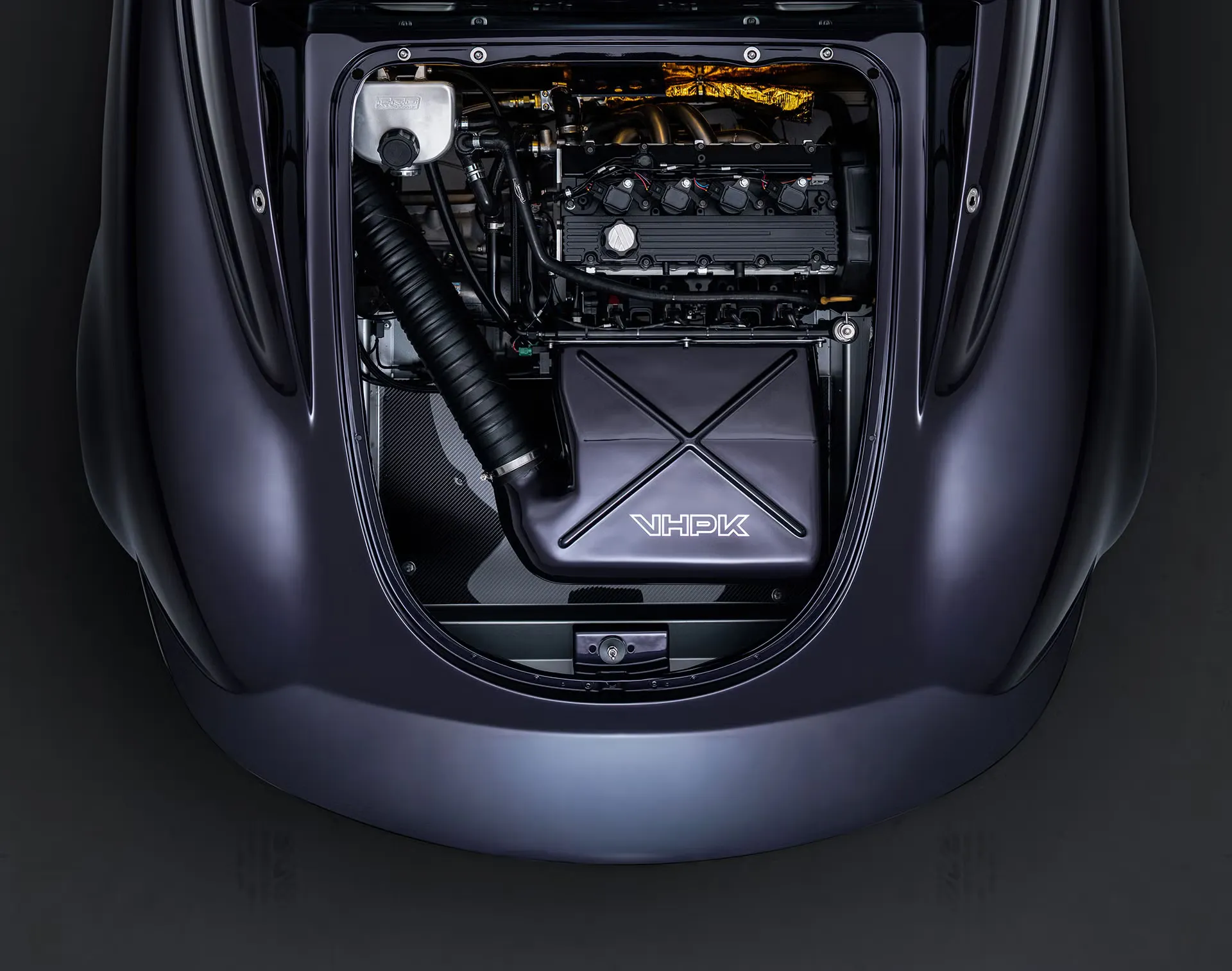
Power comes from a 1.9-liter Rover K-Series four-cylinder, reworked to produce 247 horsepower, fed to the rear wheels through a five-speed sequential gearbox. That can’t quite beat the 296GTB for power-to-weight ratio figures, but at roughly a third the weight, this featherweight Elise restomod should be like driving a four-wheeled hummingbird.
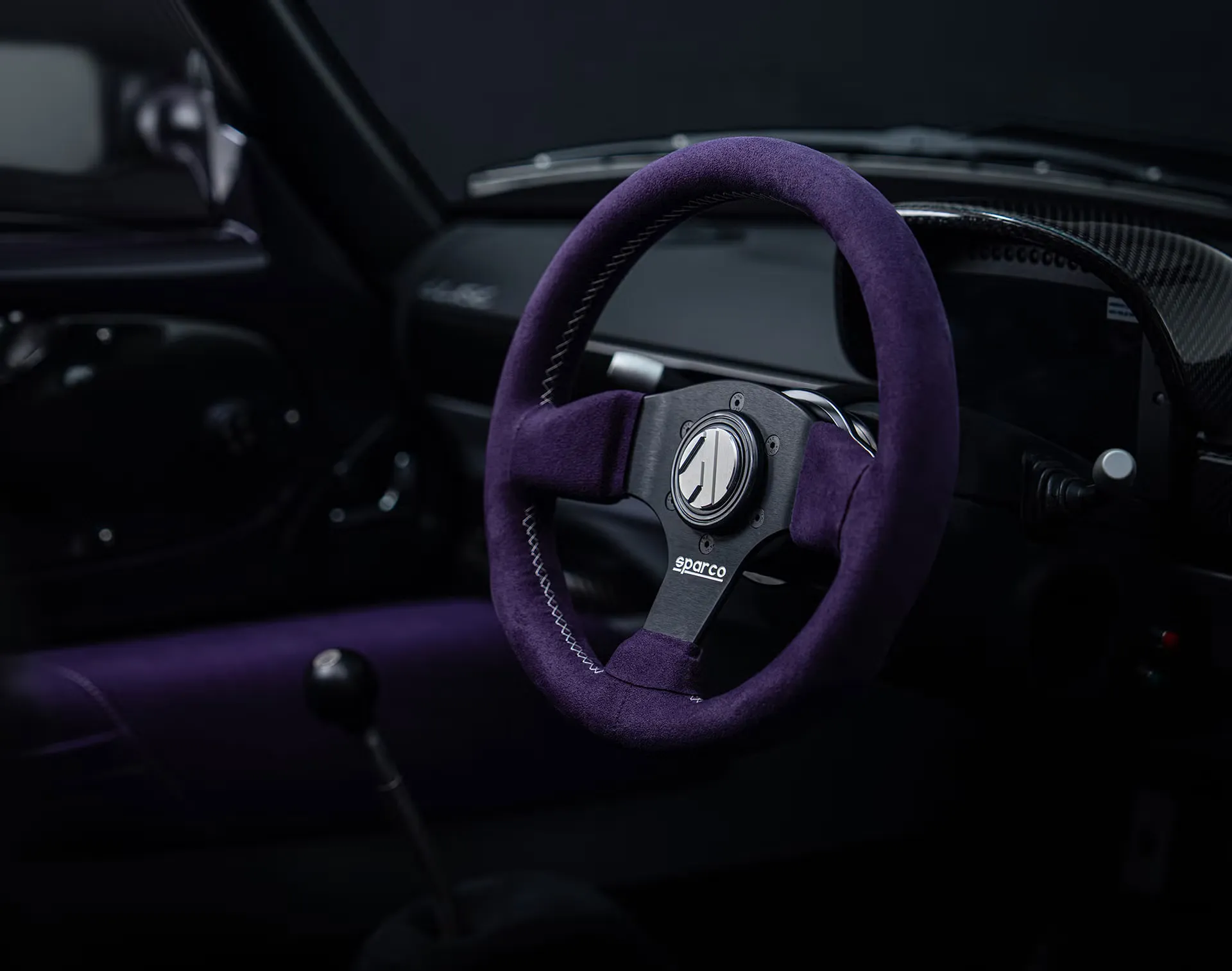
Analogue Automotive claims inspiration from a short-lived single-make racing series that featured the S1 Elise, and the VHPK slots in next to other road-legal single-seaters. To order one, you’d really have to believe that less is more, but even in an age where electrified powertrains can outperform the weight penalty of batteries, there’s something about driving a truly lightweight car that simply throwing horsepower at a chassis can’t cure.
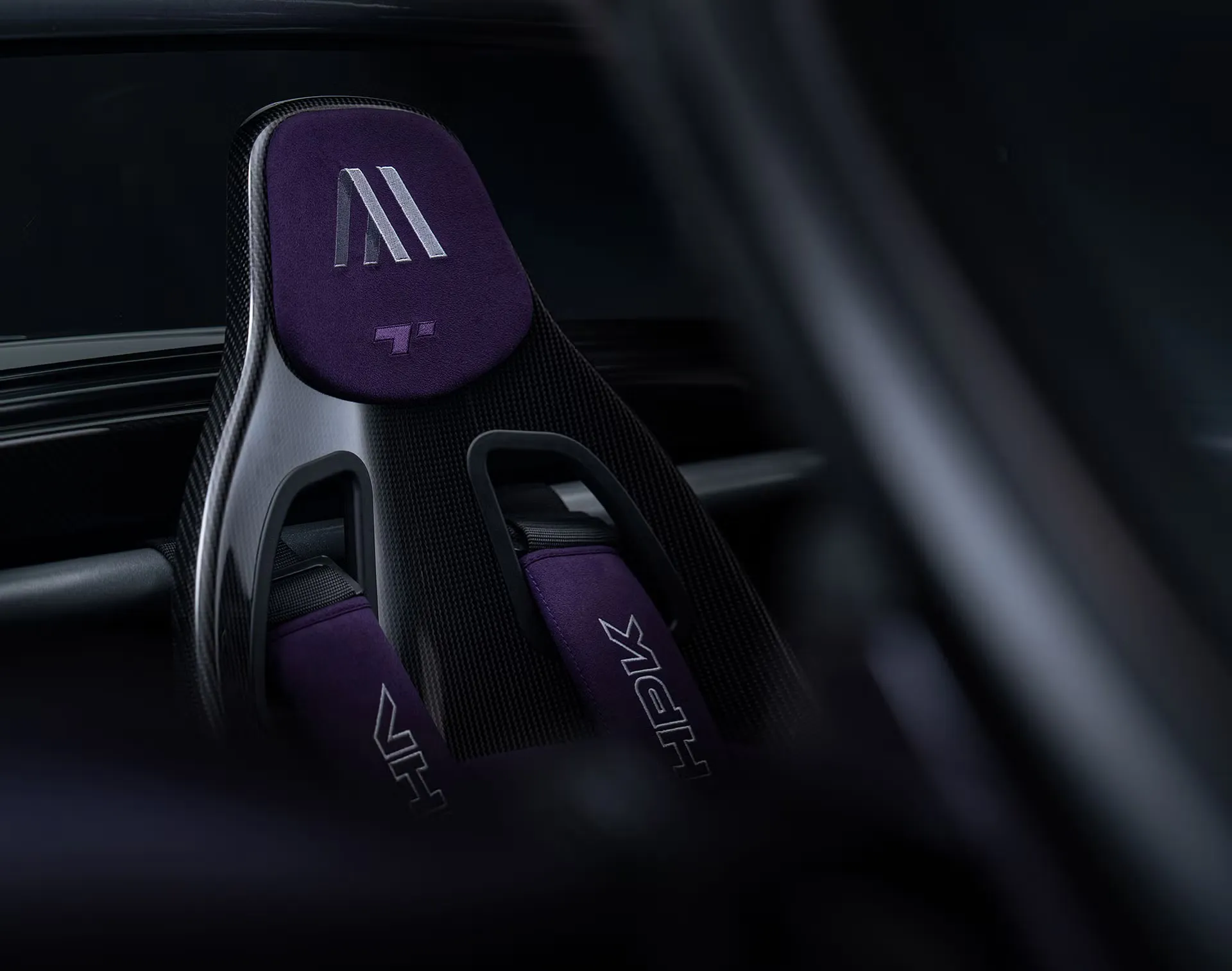
The options list is plenty long, considering each car is built to customer specification, and extends to an available fully active suspension and carbon-fiber wheels to save an additional 20 pounds. Might as well go for those wheels—as the Brits say, in for a penny, in for a pound.
Would spending this kind of money on something more substantial make more sense? Let’s be real here. The VHPK isn’t likely to be the only car in its owner’s driveway. Not unless said owner is the greatest hero in the entire world. Instead, it’s likely to be part of a larger collection, one that offers something that its higher-horsepower stablemates don’t. Simplify. Add lightness. Charge a premium for it. Chapman would absolutely approve.