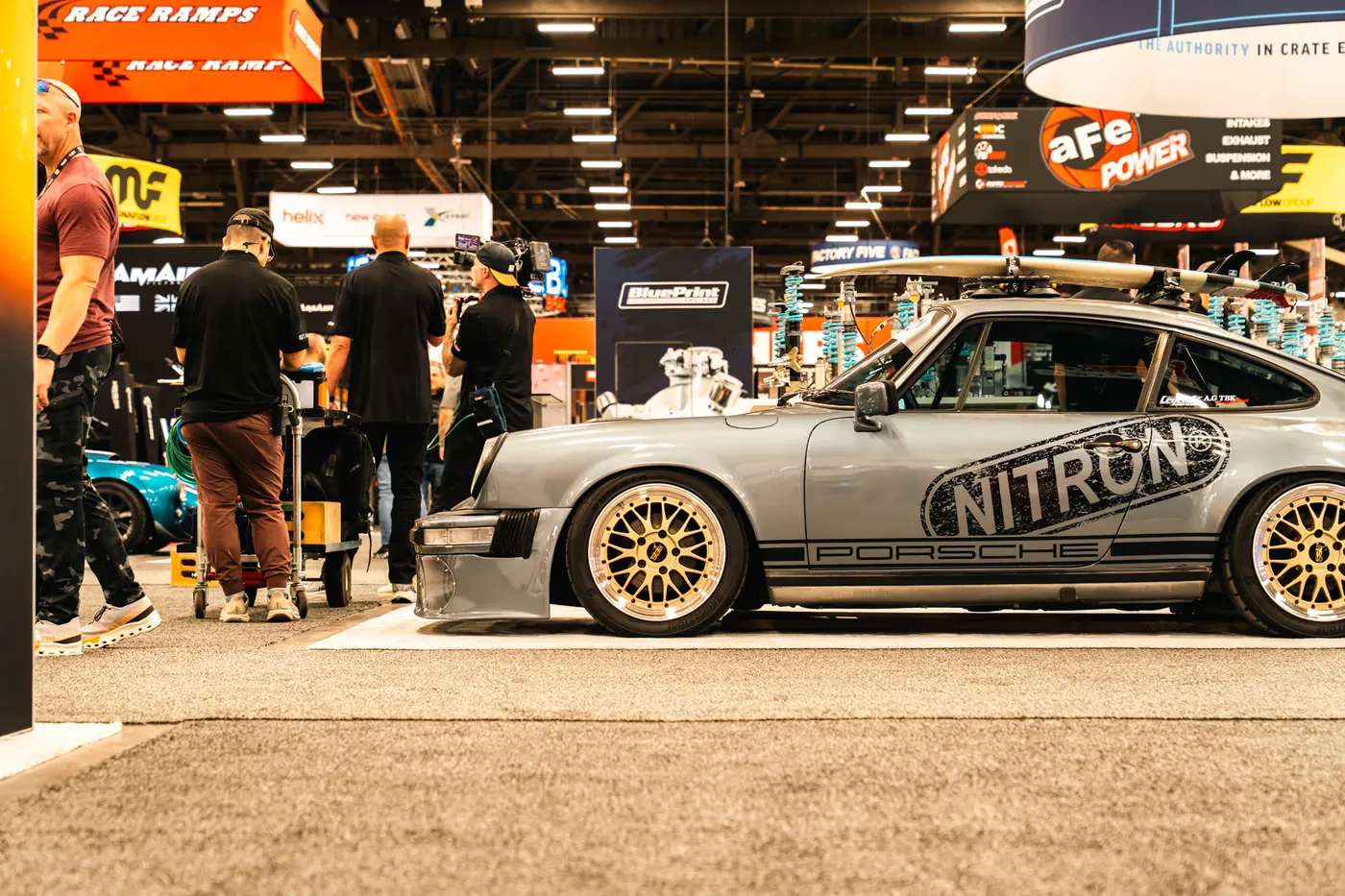
For a lot, car culture can mean sharing of knowledge and expertise, or the bond and support between enthusiasts. Some look at car culture as an avenue for inspiration. Others simply use it as a way to obtain rare and coveted parts. Whatever one’s definition of car culture may be, one thing is certain – SEMA has been fostering it for decades.
Since 1963, SEMA – an acronym for the Specialty Equipment Marketing Association – has been at the forefront of car culture and community, holding its massive gatherings for car enthusiasts, product developers, service technicians and many others to congregate and collaborate. Recently, the show has even invited the public to attend, providing general admission for those outside of the industry. This move has proven successful, as the SEMA Show grows year over year.
But with these decades and shifts in strategy, how has SEMA changed over time? Is it still the focused “mecca” for modification, or has it lost the plot?
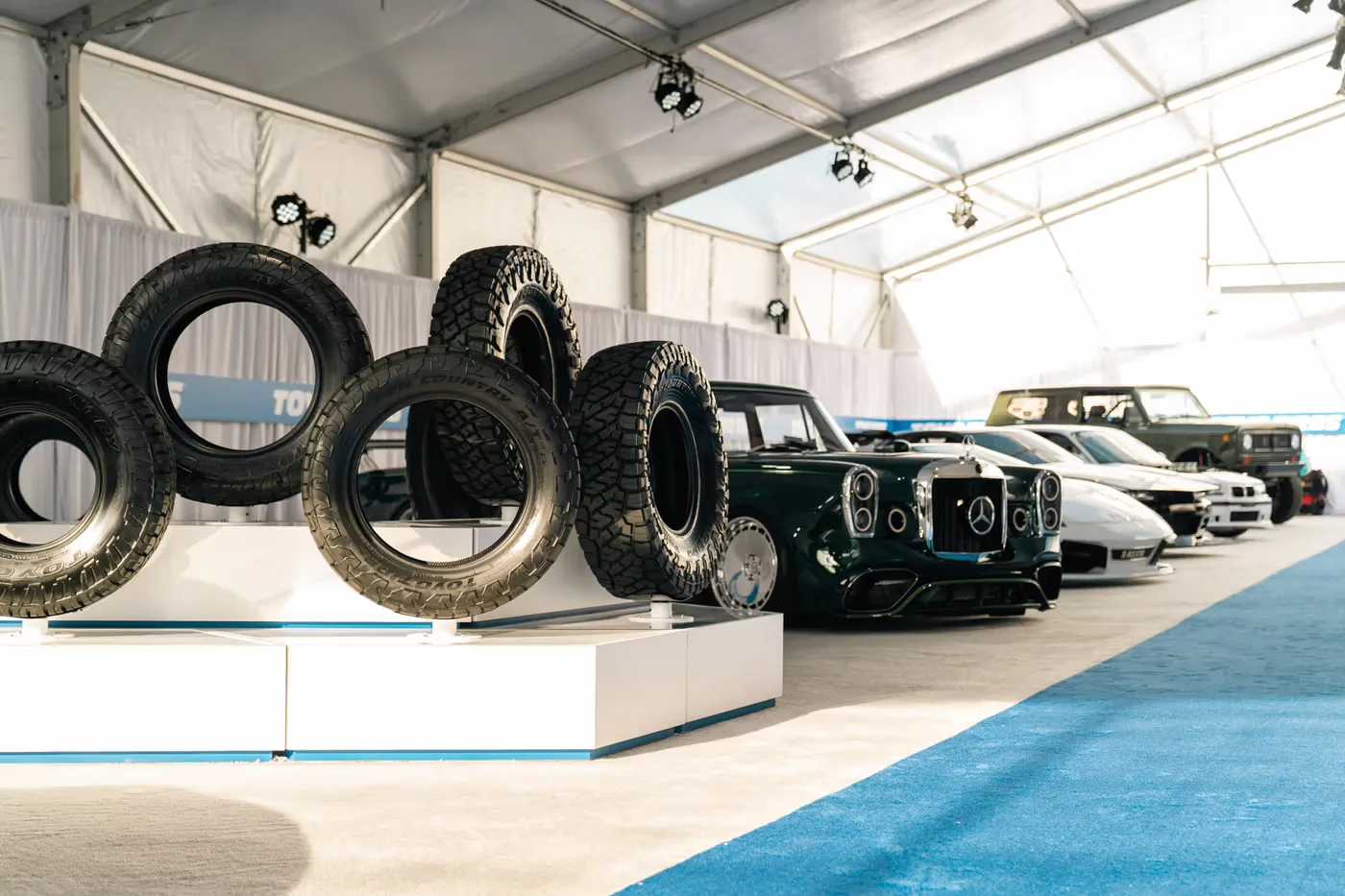
For this year’s coverage, we decided to speak to three different generations of SEMA attendees. RJ de Vera – who stands as the association’s vice president of marketing – spoke of the present direction of SEMA, grounding what the show is meant to convey. Stan Chen represents Toyo Tires, a powerhouse brand that has been exhibiting at SEMA for nearly 40 years and is able to give some historical context. And lastly, we spoke with actor and attendee Michael Cimino (Motorheads, Annabelle Comes Home) to understand how a new generation of SEMA guest views the show.
After speaking with the three generations of SEMA show goers, it seems some things have changed, but overall the show remains a cornerstone of car culture and community in the United States.
发表回复