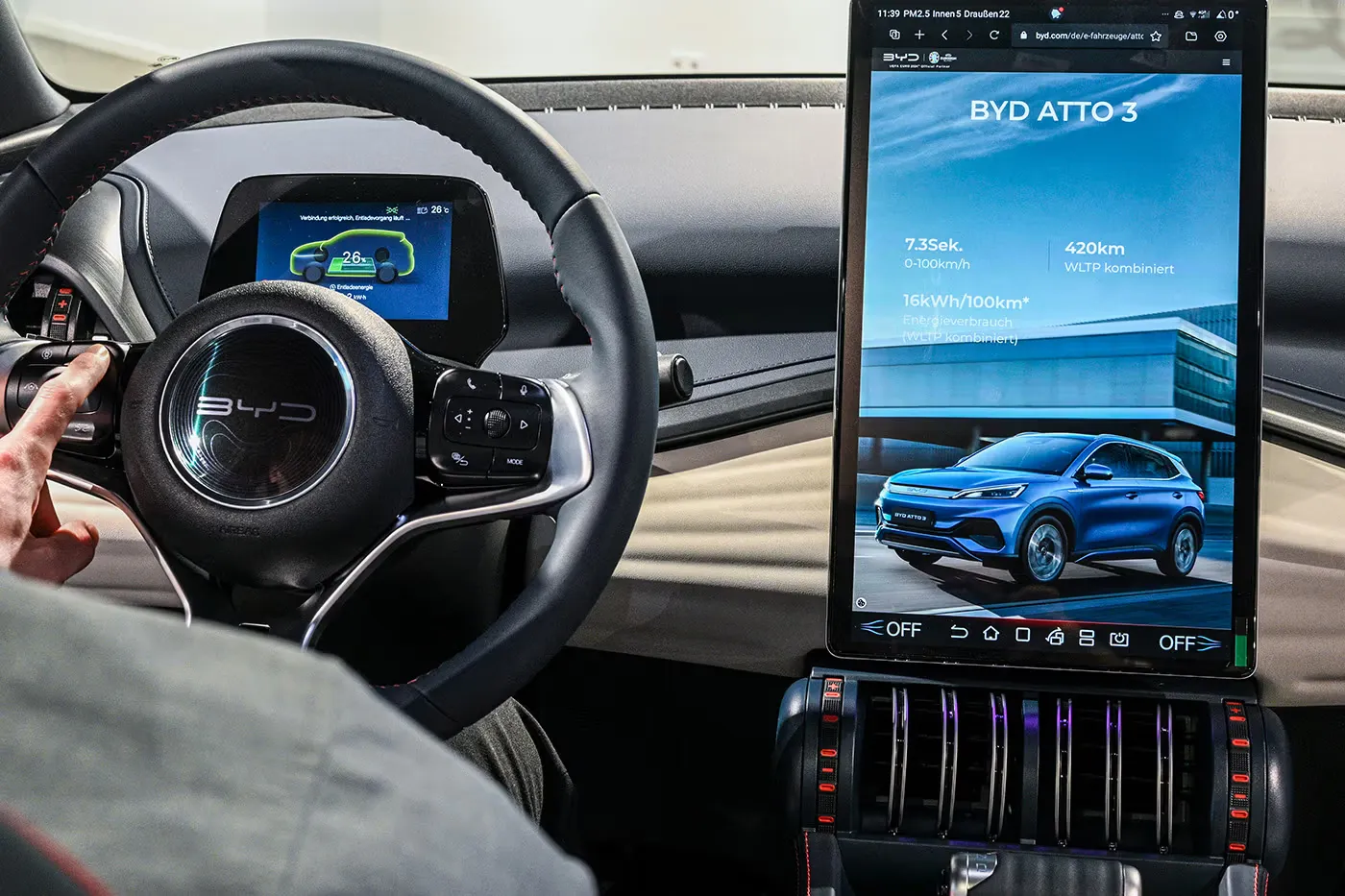
Nvidia is officially shifting the autonomous vehicle race into high gear. Making waves at its GTC conference, the tech heavyweight revealed that automotive giants BYD, Geely, Isuzu, and Nissan are officially integrating its DRIVE Hyperion platform to develop Level 4 autonomous vehicles. Acting as a production-ready reference architecture, the platform packs high-performance compute, state-of-the-art sensors, and ironclad safety networking into one cohesive system, allowing automakers to fast-track validation cycles and take their self-driving programs global. Even major mobility players like Bolt, Grab, Lyft, and TIER IV are tapping into the tech to scale up their own robotaxi ambitions.
In a massive move to commercialize self-driving ride-hails, Nvidia and Uber locked in an expanded partnership to drop a global fleet of robotaxis powered by Nvidia’s full-stack software. This highly ambitious rollout targets 28 markets across four continents by 2028, with the first wave of autonomous rides hitting Los Angeles and the San Francisco Bay Area in the first half of 2027. The play firmly positions Nvidia as the undisputed architect behind the highly competitive commercial self-driving space.
To back up this massive hardware rollout, Nvidia is dropping some major software and safety upgrades. Enter Halos OS, a newly unveiled, production-ready safety architecture tailored for AI-driven fleets and rooted in ASIL D-certified foundations. On the AI front, Nvidia unleashed Alpamayo 1.5, a hefty update to its open model portfolio that translates driving video, navigation inputs, and natural language prompts into pure reasoning-based driving trajectories. Paired with its Omniverse NuRec 3D simulation tech, developers now have the ultimate toolkit to train, stress-test, and refine safe autonomous systems at unprecedented scale.
发表回复