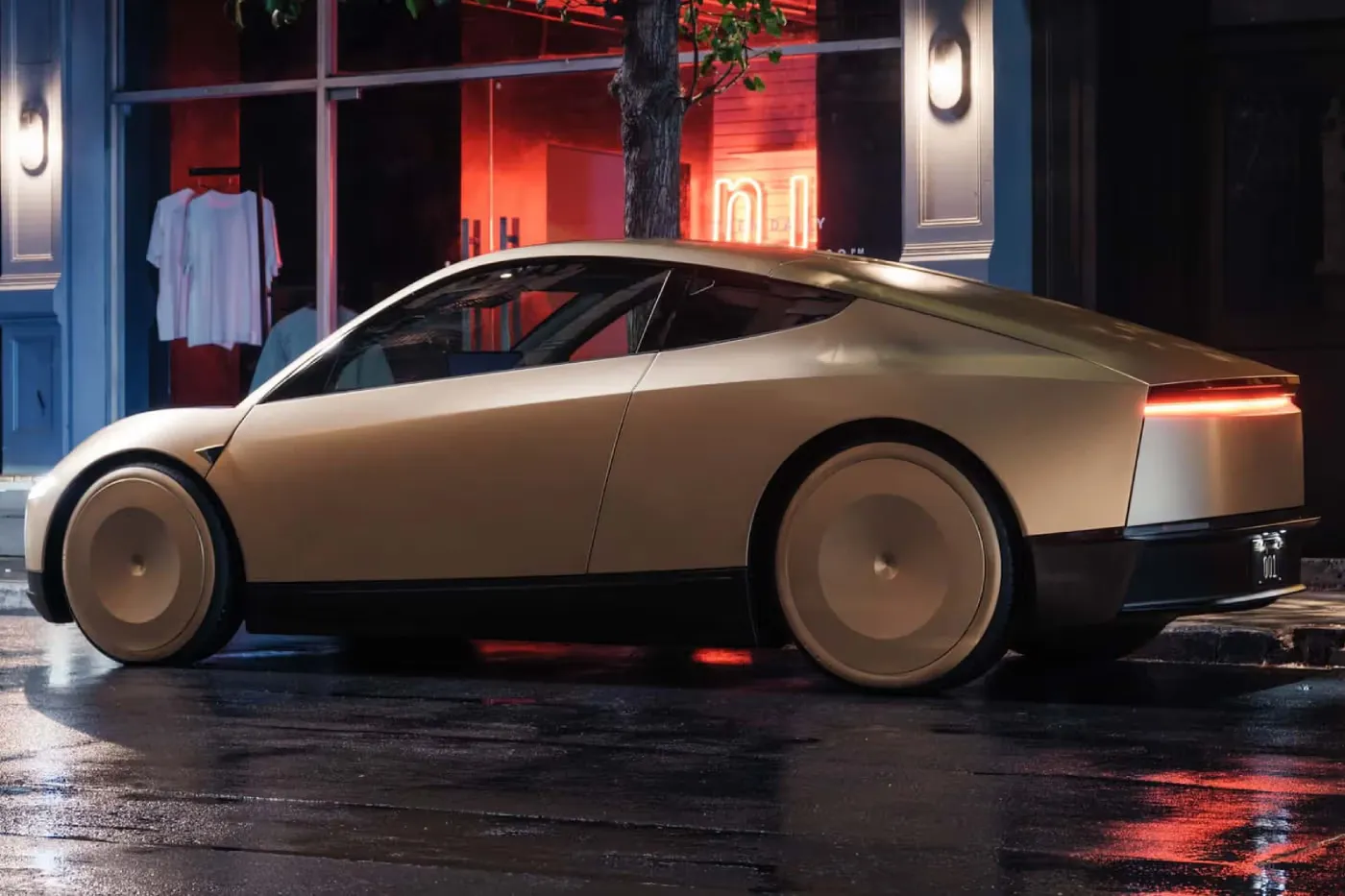
Recent regulatory filings with the Environmental Protection Agency provide the most comprehensive technical breakdown yet of the highly anticipated Tesla Cybercab. The striking two-seat electric vehicle tips the scales at exactly 3,113 pounds. This curb weight makes it roughly 700 pounds lighter than the standard base Model 3. Such a significantly lower mass directly results from a compact 48-kWh battery pack and a minimalist cabin layout. Official documentation reveals a gross vehicle weight rating of 3,730 pounds. The figure translates to a payload capacity of 617 pounds that perfectly accommodates two passengers alongside their carry-on luggage.
Power for the localized transport pod comes from a single 163-kW front-mounted electric motor producing 219 horsepower. This specific front-wheel-drive setup marks a massive departure from the usual rear-wheel and all-wheel drive configurations seen across the current lineup. The resulting horsepower output easily rivals top-tier compact electric models currently on the market. Brand executives originally presented the machine as a fully autonomous vehicle completely lacking a steering wheel or pedals. Spotters have nonetheless captured recent prototypes undergoing track testing with traditional human-operated controls installed.
Maximum range remains the core engineering focus of the Cybercab. The experimental vehicle achieved an unadjusted laboratory range of 418 miles utilizing a 146 amp-hour electrical system running at 326 volts. Standard regulatory adjustments and real-world street conditions will likely bring the usable driving distance down to a highly practical 293 miles. An astonishing 165 Wh/mi efficiency rating formally positions the prototype among the most economical production cars ever certified in the United States.
Initial manufacturing efforts have officially commenced at the Texas facility ahead of a planned commercial rollout. Corporate leaders currently project an accessible starting price under $30,000 for the final Cybercab consumer model. A widespread nationwide launch depends entirely on the success of ongoing autonomous driving software trials. Delivering these self-driving capabilities safely will ultimately determine if the automaker can fulfill its promise to revolutionize urban transit before 2027.
发表回复